Doherty Posts Three Consecutive Top 20 Finishes on LPGA Tour
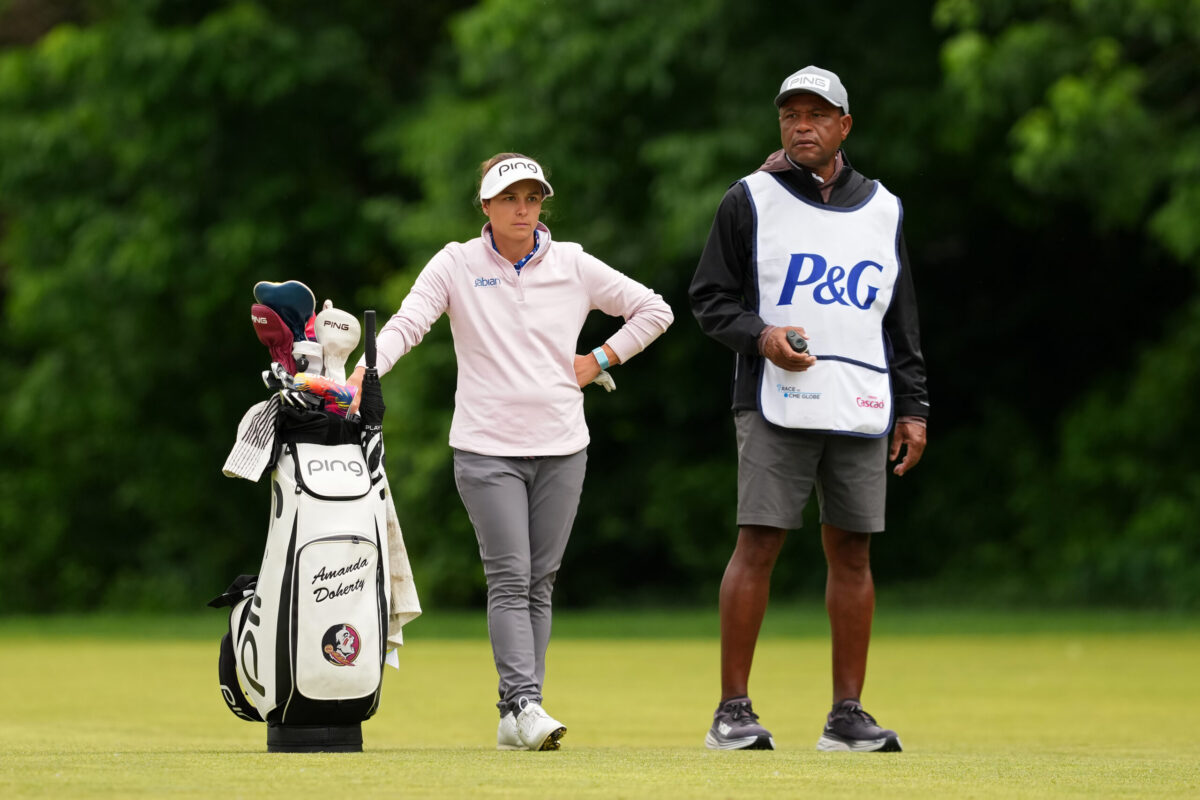
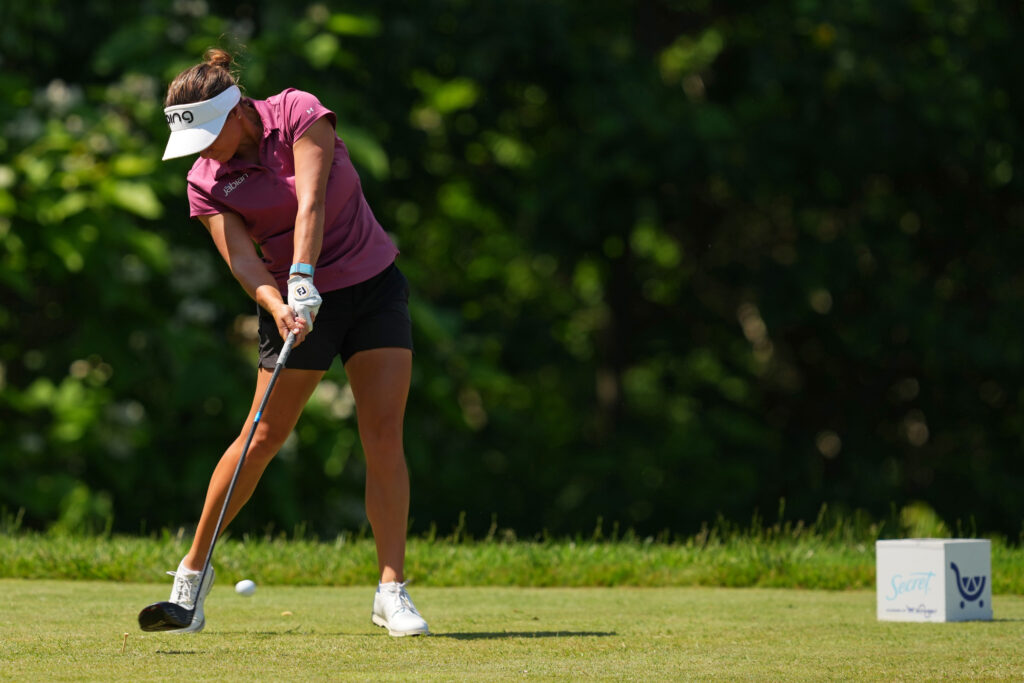
Amanda Doherty is playing the best golf of her career. The leaderboard makes that simple to see — three consecutive weeks in contention on the LPGA Tour, capped by a top-5 finish against a full-strength field. But the more instructive story is not what has happened over the last three weeks. It is the decision made months earlier, in the quiet of the off-season, that set the stage for all of it.
A Conversation in the Off-Season
Every professional golfer reaches inflection points where talent alone is no longer the variable that determines the next step. Doherty arrived at one of those points heading into this season. The raw ability had never been the question — it had carried her from a decorated amateur career at Florida State through the developmental ranks, being named Epson Tour Rookie of the Year and onto the LPGA Tour. The question was how to convert that ability into the kind of week-in, week-out consistency that defines players who contend rather than merely compete.
Over the off-season, Fidelity Sports Group sat down with Doherty and advised her directly: the time had come to bring on a tour-level coach. It is not always an easy conversation to have with a player whose game is already good enough to belong on tour. But good representation is not about telling clients what they want to hear. It is about identifying the move that unlocks the next level — and having the relationship and the credibility to make the case for it. Doherty listened, and she agreed.
The Right Coach for the Moment
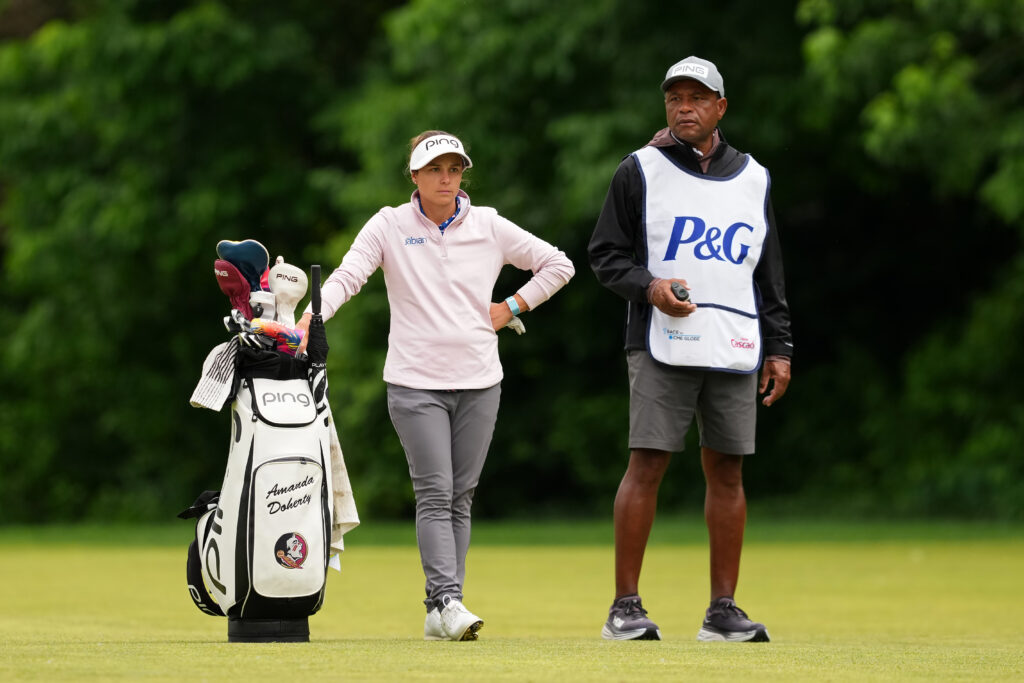
A recommendation to add a coach is only as good as the coach behind it. FSG pointed Doherty to Jeff Leishman.
Leishman is a Golf Digest and GOLF Magazine Top 100 instructor based at The Dye Preserve in Jupiter, Florida. Over more than two decades of coaching, he has guided a long line of players to status and success on the PGA and LPGA Tours, with a reputation built less on a single signature method than on his ability to understand how each individual player learns and what each individual game needs. His approach blends swing mechanics with a holistic, data-aware view of player development — the kind of comprehensive coaching the modern professional game demands.
He was, in other words, the right fit for exactly where Doherty stood: a player with high-level talent who needed a partner capable of refining it rather than rebuilding it. Doherty went all-in, and the working relationship took hold quickly.
Immediate Elevation
The impact has been immediate. Doherty’s talent has never been in question; under Leishman, that talent is now translating into results at the highest level — and it is showing up where it counts, on the leaderboard.
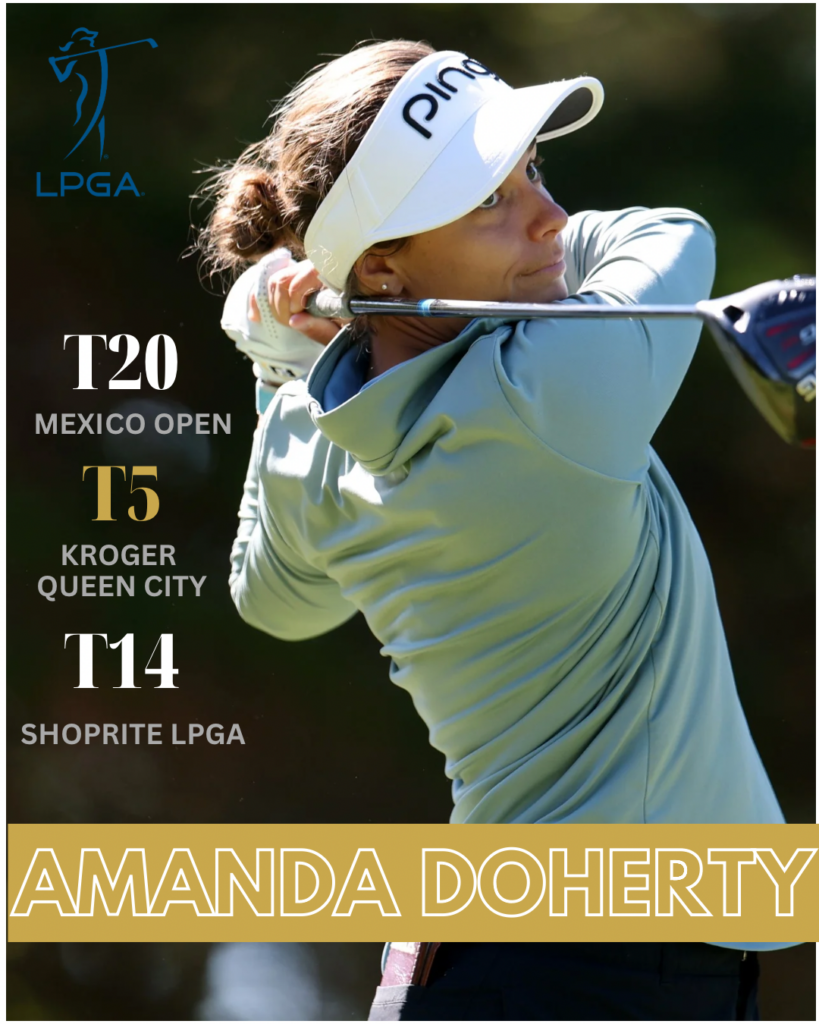
Over her last three LPGA Tour starts, Doherty has posted a 20th in Mexico, a top-5 at the Kroger Queen City Championship presented by P&G, and a 14th at the Shoprite LPGA Classic. Three straight weeks inside the mix against deep, full-strength fields is no accident, and it represents the most consistent stretch of professional golf she has produced. Consistency of that kind is the hardest thing to manufacture in professional golf, and it is the clearest signal that a player’s development is trending in the right direction.
The Week in Cincinnati
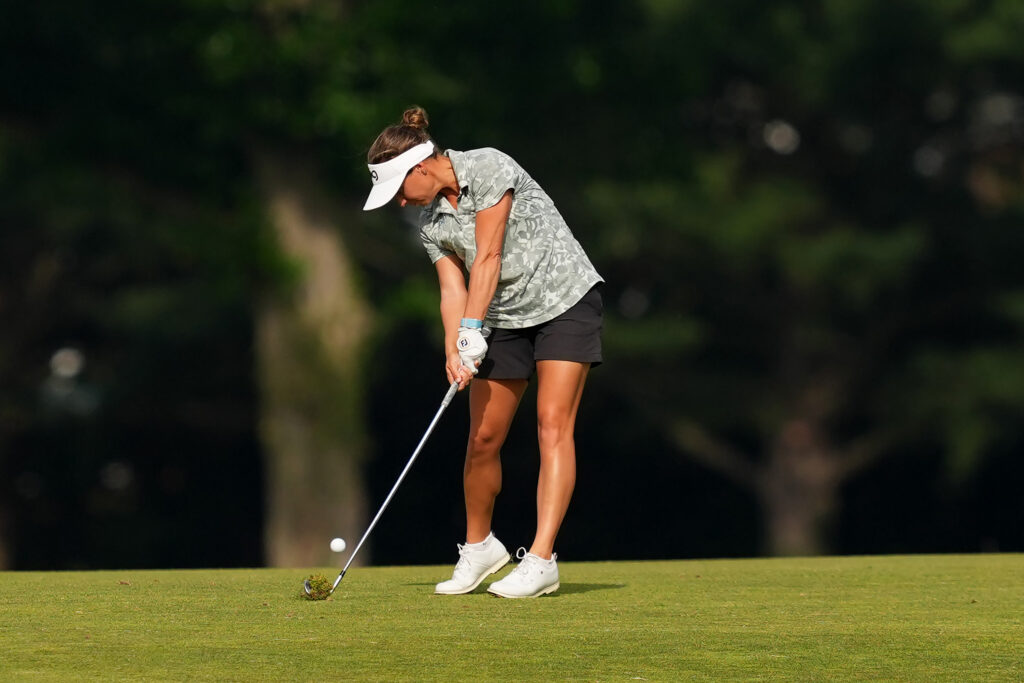
The centerpiece of the run came at the Kroger Queen City Championship. At Maketewah Country Club, Doherty played her way into a share of the lead at the halfway point, then backed it up with a third-round 69 to move into solo second entering the final round — the best 54-hole position of her LPGA career.
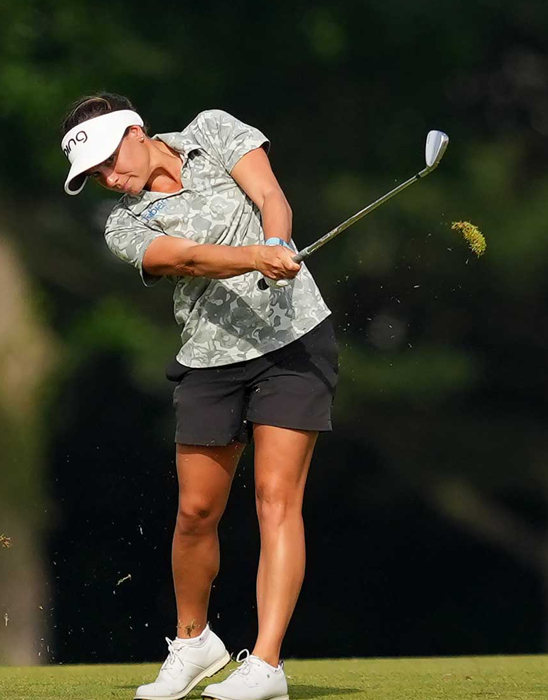
Sunday brought the kind of test that reveals where a player truly stands. A loaded chase pack of Major Champions and World #1s went low, applying the sort of pressure that has historically separated those who hold their position from those who fade. Doherty held her ground and closed out a top-5 finish against that company. Asked about her form during the week, she kept the explanation simple: she has been working on the right things, and everything is moving in the right direction. The details on the course bore that out — tidier misses, sharper recovery play, and a noticeable composure down the stretch on a Sunday with real consequences.
Those are the markers of a maturing game, not a fortunate week. They are precisely the qualities a coaching partnership like the one with Leishman is designed to build, and seeing them surface this quickly is the strongest possible validation of the off-season decision.
What It Reflects About Representation
Doherty’s rise illustrates the kind of work that rarely makes headlines but defines genuine athlete representation. It was not always about a deal or a press release announcement. It was an honest off-season conversation, a well-matched recommendation, and a player willing to trust the plan and put in the work. The win belongs to Doherty — she is the one striking the shots and posting the numbers. But the path to it reflects what relationship-first representation is supposed to do: see the next step clearly, and help the athlete take it in a fashion that supports them to own the decision and ultimately make it their own.
Her progress also comes amid a strong stretch across Fidelity Sports Group’s women’s roster. The agency represents LPGA Tour player Anne Chen, Ladies European Tour member Charlotte Heath, and a rising group of talent on the Epson Tour in Mirabel Ting, Zoe Campos and Maisie Filler — a pipeline of players who ranked as the best in the world as amateurs, now working toward the game’s biggest stages.
The Trajectory
For Amanda Doherty, the direction is unmistakable. The off-season decision to add a tour-level coach, and the partnership with Jeff Leishman that followed, has taken a special talent and elevated it into the best golf of her career. What stands out most is that this stretch does not have the feel of a peak. It has the feel of a foundation — a base she is building from, with her best golf still ahead.